
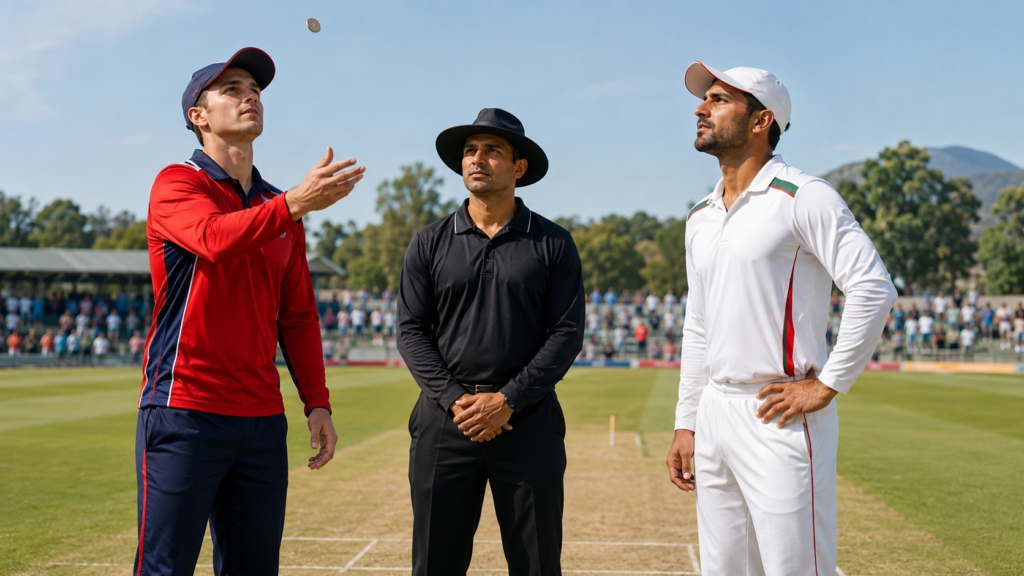
Norway and Iran are scheduled to meet in the opening match of the Norway T20I Tri-Series 2026 on Thursday, August 13. The match is listed to begin at 7:15 AM GMT, which is 11:15 AM in the UAE and 12:45 PM in India. The venue and host city are currently marked as TBC. Cricket fans should check the official match centre before the game for the confirmed ground, participating squads and any schedule changes.
Norway vs Iran Match Details
The Norway versus Iran match will be played in the T20 format, with each side receiving a maximum of 20 overs. The match is scheduled for Thursday, August 13, with the opening ball expected at 7:15 AM GMT. As the venue is not yet confirmed, 12:45 PM should be understood as Indian Standard Time rather than the local time at the ground. The actual venue-local time can only be confirmed after the host city is announced.
Publicly available information reviewed before publication did not provide the name of the third team, the complete tournament schedule or the official Norway and Iran squads. These details should not be guessed. Supporters should use the confirmed date and GMT time while waiting for an official tournament update.
Why the Opening Match Matters?
The first match is always important in a short tri-series. A victory gives the winning team early points, confidence and a better understanding of the playing conditions. A defeat can create pressure because there may be only a few opportunities to recover during the tournament.
Norway will try to use their greater recent T20I experience, while Iran will look for a disciplined and confident start. The fixture also gives players from both countries valuable international exposure and preparation for future regional and global qualification tournaments.
Norway’s Recent T20I Experience
Norway participated in a T20I tri-series in Portugal in April 2026. They defeated France by 10 runs after scoring 148 for nine and bowling France out for 138. Kuruge Abeyrathna, Chaudhary Akram and Ibrahim Rahimi made useful contributions with the bat, while Vinay Ravi delivered an important bowling performance.
Norway also defeated Turkey by seven wickets during a European qualifier in July 2026. They successfully chased a target of 96 in only 9.1 overs. These results do not guarantee victory against Iran, but they show that Norway have played competitive international cricket recently.
Norway Players Who May Be Considered
Norway’s official squad for this match was not available at the time of writing. Recent Norway teams have included Khizer Ahmed, Kuruge Abeyrathna, Chaudhary Akram, Ibrahim Rahimi, Faisal Raza, Vinay Ravi, Qamar Mushtaque, Junaid Mehmood Hussain, Tafseer Ali and Shahbaz Butt. These names are based on recent matches and should be treated as a watchlist, not as a confirmed squad.
Khizer Ahmed has previously served as captain and wicketkeeper. Abeyrathna, Akram and Rahimi have provided useful batting options, while Ravi and Mushtaque have contributed with the ball. Readers should wait for the official team sheet before making fantasy cricket selections or final player predictions.
Iran Enter with Limited Recent Public Data
Iran are an ICC Associate Member from the Asian region. Publicly indexed cricket records show that their first men’s T20 International was played in 2020. However, reliable information about Iran’s current 2026 squad and recent official performances was limited during research for this preview.
This lack of public information makes Iran difficult to assess, but it does not mean they cannot compete. Their players will need to understand the playing surface quickly and adjust to the fast pace of a 20-over contest. Simple plans, accurate bowling and clear communication could help Iran settle into the match.
No Reliable Head-to-Head Record Yet
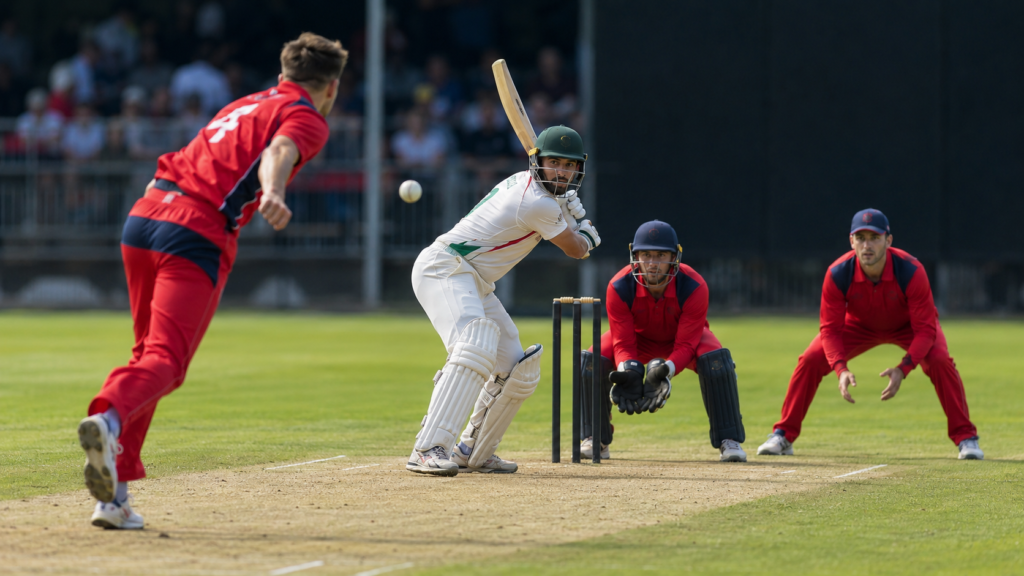
No completed men’s T20 International between Norway and Iran was found in reliable public records reviewed for this article. Therefore, this match may create the first useful head-to-head reference between the two teams. Any previous meeting confirmed later by an official cricket source should be added to the record.
Without a meaningful head-to-head sample, performance on match day becomes more important than history. Norway have more recent documented match experience, but Iran can reduce that advantage by adjusting quickly and playing disciplined cricket.
Why This Fixture Is Important for Associate Cricket
Matches such as Norway versus Iran help international cricket grow beyond the most familiar teams. Associate nations need regular matches to develop their players, coaches, umpires and local supporters. Competitive T20 Internationals also produce useful performance data that selectors can use when building future squads.
For Norway, another tri-series offers continuity after their matches in Portugal and European qualification cricket. Iran can use the tournament to improve their public visibility and give their players experience against a European opponent. A well-organised competition can also encourage more young people in both countries to follow cricket.
The greatest long-term value will come from fair competition, clear scheduling and reliable official information. Regular international fixtures can help both teams measure their progress and identify areas that require improvement.
Powerplay Battle Could Set the Direction
The first six overs of a T20 innings are known as the powerplay. Only two fielders are permitted outside the inner circle during this period. This makes boundaries easier to score, but uncontrolled attacking shots can also result in early wickets.
Norway may try to score quickly using their recent match experience. Iran may choose a more careful approach and attempt to build a stable opening partnership. Both strategies can work if the batters understand the conditions.
The bowlers should target the stumps and avoid giving too much width. Wides and no-balls provide free runs without using a legal delivery. A disciplined powerplay could give either team an early advantage.
Batting Plans for Both Teams
Norway have recently shown that several players can contribute with the bat. Their aim should be to build partnerships while keeping enough wickets available for the final eight overs. Regular strike rotation can also reduce pressure when boundaries are difficult to find.
Iran should use the opening overs to study the bounce and speed of the pitch before playing high-risk shots. One batter staying at the crease for most of the innings would allow the other players to attack with greater freedom. A strong partnership may be more valuable than several short and aggressive innings.
Middle Overs and Bowling Changes
Overs seven to fifteen often decide a T20 match without receiving as much attention as the powerplay or final overs. Singles are normally available during this period, and captains may introduce spin bowling or slower pace.
Batters need to keep the scoreboard moving, while bowlers should vary their speed, line and length. Too many dot balls can increase pressure on the batting team. However, one expensive over can quickly change the balance of the innings.
Both captains will need to remain flexible. If a particular bowler finds movement or grip from the surface, the captain may choose to give that player another over before the batters adjust.
Venue, Pitch and Weather Remain Unconfirmed
Because the venue is currently listed as TBC, any detailed pitch or weather prediction would be guesswork. The surface cannot responsibly be described as helpful for fast bowlers, spin bowlers or batters until the ground is officially announced.
After the venue is confirmed, the teams should study the amount of grass, hardness and moisture on the pitch. Supporters should also check a trusted local weather forecast for the selected city. A forecast for Norway or Iran would not be relevant if the tournament is hosted in another country.
Toss and Final Team Selection
The toss will influence the captains’ first decision, but it will not decide the result. Chasing gives a team a known target, while batting first creates scoreboard pressure for the opposition. The correct choice will depend on the confirmed surface, weather and playing conditions.
Both teams should select enough batting depth and at least five reliable bowling options. Final fantasy teams and match predictions should be prepared only after the official playing elevens are announced.
Fielding and Death Overs
A run-out, boundary save or difficult catch can decide a close T20 match. Norway and Iran must remain energetic in the field because poor fielding can quickly change the momentum of a short contest.
The final five overs will test the planning and control of both teams. Bowlers will need accurate yorkers, slower deliveries and wide lines. Batters must be prepared for these variations and choose the right areas to attack. One expensive over near the end can completely transform the final total.
How Norway Can Win the Match?
Norway’s clearest route to victory is to use their recent international experience without forcing the game. Their top-order batters should create a stable platform, allowing the stronger hitters to attack during the closing overs.
With the ball, Norway should test Iran’s technique early and avoid offering easy scoring opportunities. If Norway field cleanly and maintain their plans when an opposition partnership develops, their recent match practice could become a major advantage.
How Iran Can Challenge Norway?
Iran should keep their approach simple. Their bowlers need to maintain a consistent length, while their fielders must protect easy singles and take every available catching opportunity.
If Iran bat first, they should aim for a competitive total rather than chasing an unrealistic score from the opening overs. If they chase, the batters must understand the required run rate and avoid losing wickets in quick groups. One calm top-order innings and two disciplined bowling spells could place Norway under serious pressure.
Norway vs Iran Match Outlook
Norway appear to hold a slight advantage because their recent T20I performances are easier to verify. They have demonstrated batting depth, bowling variety and experience in competitive European tournaments. Iran remain less predictable because information about their current squad and form is limited.
The match should still be treated as an open contest. Iran can compete by protecting wickets, bowling accurately and taking every available chance. Norway must avoid overconfidence and remain focused throughout the game.
The venue, official squads, third participating team and correct venue-local start time should be checked before making a firm match prediction. If the fixture goes ahead as listed, it will offer both teams an important opportunity to begin the Norway T20I Tri-Series 2026 with a positive performance.