Halal food is food that Muslims are permitted to eat under Islamic law. The Arabic word “halal” means lawful or permitted. It applies not only to meat but also to drinks, ingredients, preparation methods, storage, and serving. A food may begin with acceptable ingredients but lose its halal status if it contains a prohibited substance or comes into contact with non-halal food. Halal eating is part of a wider Islamic way of life that encourages cleanliness, responsibility, moderation, and care in how food is produced and consumed.
What Is the Difference Between Halal and Haram?
Halal means permitted, while “haram” means forbidden. Many everyday foods, including fruit, vegetables, rice, beans, bread, milk, and eggs, are generally halal in their natural form. Pork, blood, carrion, and intoxicating drinks are clear examples of haram items. Between these categories, some products may be doubtful because their ingredients or production methods are unclear. Muslims may call such items “mashbooh,” meaning questionable. When a product is doubtful, checking the label, contacting the manufacturer, or choosing a trusted halal-certified alternative can provide greater confidence.
The Religious Basis of Halal Food
Islamic dietary rules come mainly from the Quran and the teachings of Prophet Muhammad, known as the Sunnah. Quranic passages including 2:173 and 5:3 identify prohibited foods such as pork, flowing blood, carrion, and animals dedicated to a name other than Allah. Quran 5:90 addresses intoxicants. These teachings guide Muslims in choosing food that is lawful and wholesome. The Arabic idea of “tayyib” is also important because it refers to food that is good, clean, and suitable. Exact rulings can differ across Islamic legal schools, so complex questions may require advice from a qualified scholar.
Foods That Are Naturally Halal
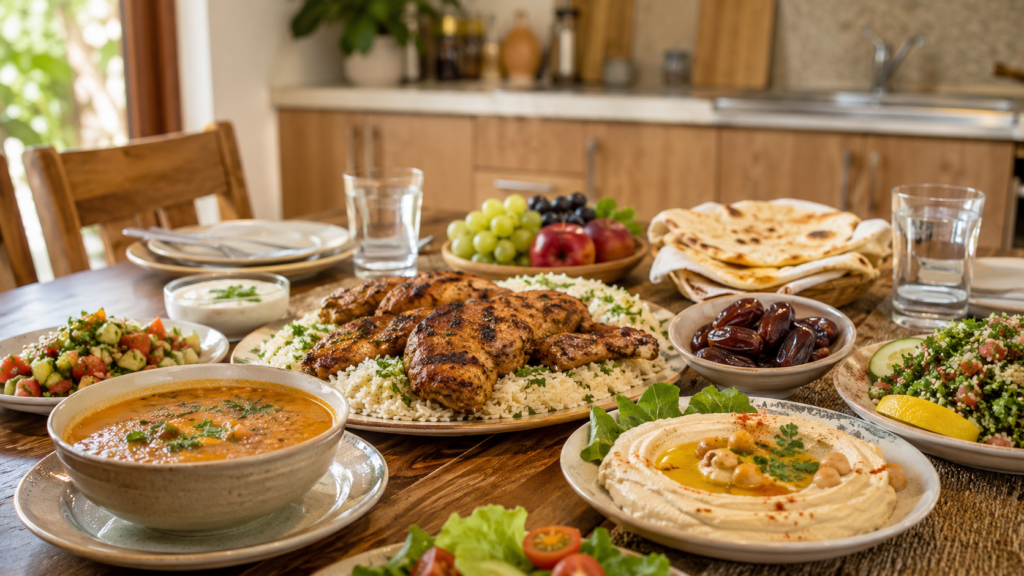
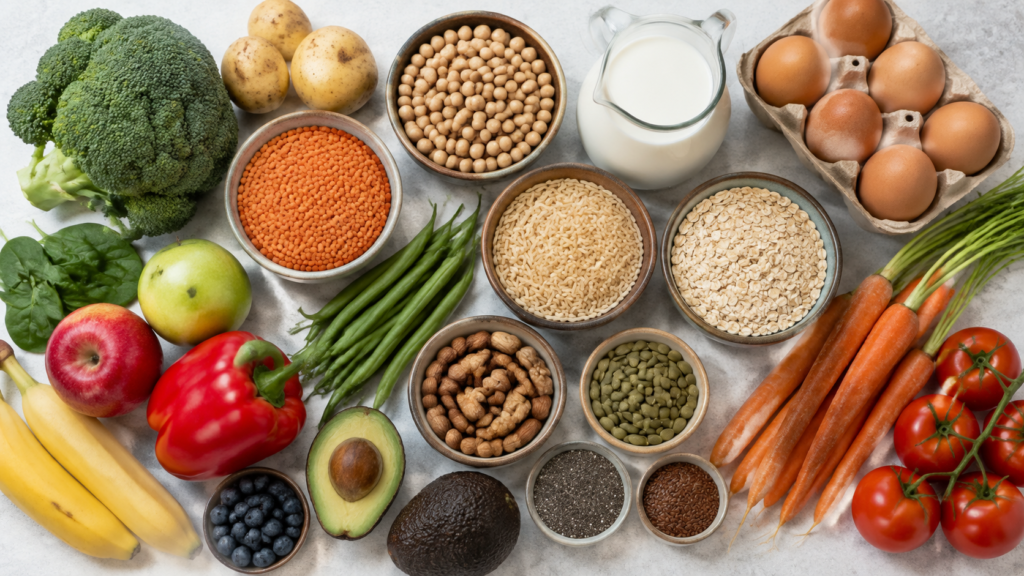
Most plant-based foods are naturally halal. Fresh fruit, vegetables, grains, lentils, beans, nuts, and seeds can usually be eaten without concern when they are clean and free from prohibited additives. Milk and eggs from permitted animals are also generally halal. Plain fish is accepted by many Muslims, although opinions about some types of seafood differ between Islamic legal schools. Processed versions of naturally halal foods need closer attention. A simple loaf of bread, for example, may contain an emulsifier, enzyme, shortening, or flavouring made from an animal source that is not clearly identified.
How Halal Meat Is Prepared
For meat to be halal, it must come from an animal that Muslims are allowed to eat, such as cattle, sheep, goats, or chickens. The animal should be alive and healthy at the time of slaughter and must be treated properly. In the method commonly called dhabihah or zabiha, a trained slaughterer uses a sharp knife, mentions the name of Allah, and cuts the required vessels so the blood can drain. Unnecessary suffering should be avoided. Halal certification bodies may have different rules about issues such as stunning, mechanical slaughter, supervision, and imported meat, so consumers should check which standard a certificate follows.
Foods and Drinks That Are Not Halal
Pork and ingredients taken from pigs are not halal. This includes pork meat, lard, pork gelatine, and some animal-based additives. Blood and food made with blood are also prohibited. Meat from an otherwise permitted animal is not considered halal if it was not slaughtered in an accepted way. Intoxicating drinks are prohibited, and foods containing alcohol may need careful review. Standards can differ for tiny residual amounts or ingredients that change during processing. Animals that die before proper slaughter, as well as meat dedicated to anyone other than Allah, are also not halal.
Hidden Ingredients to Check
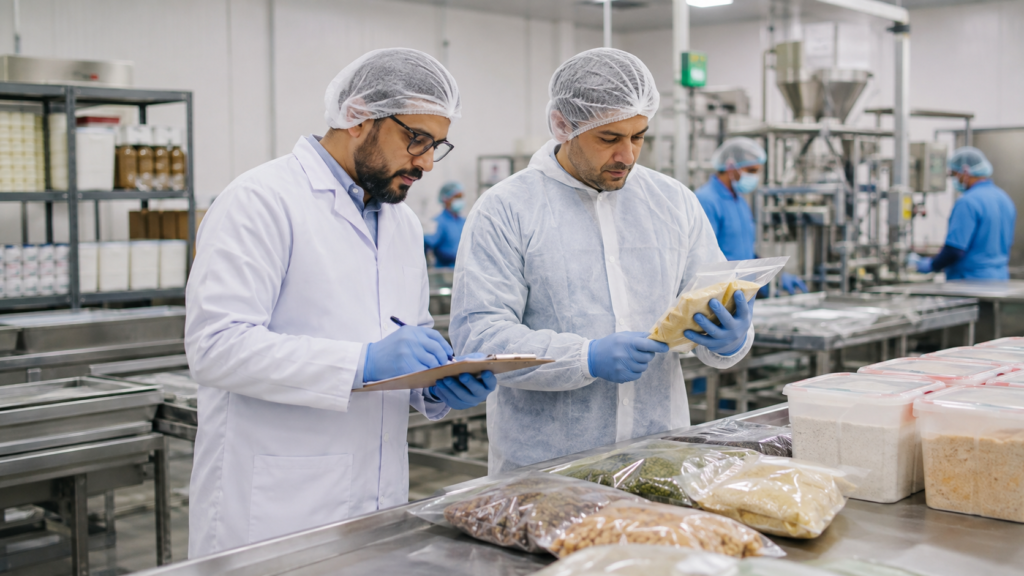
Packaged food can contain ingredients whose sources are difficult to recognise. Gelatine may come from pork, non-halal cattle, halal-certified cattle, or fish. Enzymes used in cheese can be microbial, plant-based, or animal-based. Emulsifiers, glycerine, mono- and diglycerides, shortening, flavourings, capsules, and food colour carriers can also have different sources. Vanilla extract and some sauces may contain alcohol. An unfamiliar chemical name is not automatically haram, but it may require verification. A halal logo from a recognised certifier is helpful because the review normally covers both the ingredients and the manufacturing process.
Cross-Contact and Food Preparation
Halal food should be protected from contact with prohibited substances during preparation, storage, transport, and serving. A vegetable dish may not be suitable if it is cooked in lard or on a surface covered with pork residue. The same concern can apply when halal meat and non-halal meat share knives, grills, fryers, chopping boards, or storage containers without proper cleaning and separation. At home, clearly separated utensils and clean surfaces can reduce confusion. In restaurants and factories, documented procedures, staff training, ingredient tracking, and suitable cleaning methods help protect the halal status of food.
What Does Halal Certification Mean?
Halal certification is a review performed by an organisation that checks whether a product or business follows its halal standard. The process may examine ingredient sources, suppliers, slaughter methods, equipment, cleaning, storage, packaging, and transport. Approved products can display the certifier’s symbol, usually for a limited certification period. There is no single halal logo used everywhere, and certification requirements can differ by country or organisation. Consumers should look at the name behind the symbol, not only the word “halal.” A certifier’s official website may allow people to confirm whether a company or product has a valid approval.
How to Read Food Labels?
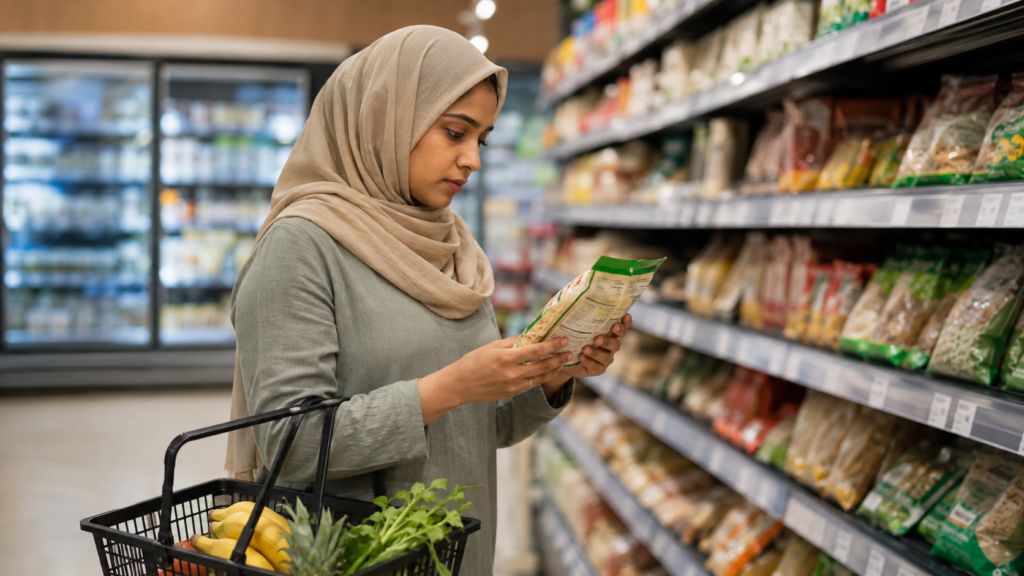
Begin with the full ingredient list rather than relying only on the product name. Look for clear concerns such as pork, lard, gelatine, animal fat, alcohol, or meat that is not identified as halal. Statements such as “vegetarian” can reduce some concerns but do not automatically confirm halal status, because a product may contain alcohol or share equipment with other ingredients. “Vegan” products contain no animal ingredients, but their flavours, processing aids, or alcohol content may still matter to some consumers. When information is incomplete, contact the manufacturer or choose a product with reliable halal certification.
Eating Halal at Restaurants
When visiting a restaurant, ask specific questions instead of asking only whether the menu is halal. Find out whether all meat is certified and whether pork or alcohol is used in sauces, marinades, desserts, or cooking. Ask if halal and non-halal foods share a fryer, grill, knife, or preparation area. One halal meat item does not make the whole kitchen halal. A displayed certificate should identify the restaurant or supplier and remain valid. If the answers are unclear, choose an option that fits your personal practice.
Final Thoughts
Understanding halal food involves more than knowing that pork and alcohol are prohibited. Ingredients, animal sources, slaughter methods, equipment, storage, and cross-contact can all affect whether food is acceptable. Fresh plant foods are usually simple choices, while processed products may require more checking. Certification can make the process easier, although standards are not identical everywhere. When a product remains doubtful or involves a disputed ruling, consult a recognised certifier or qualified