
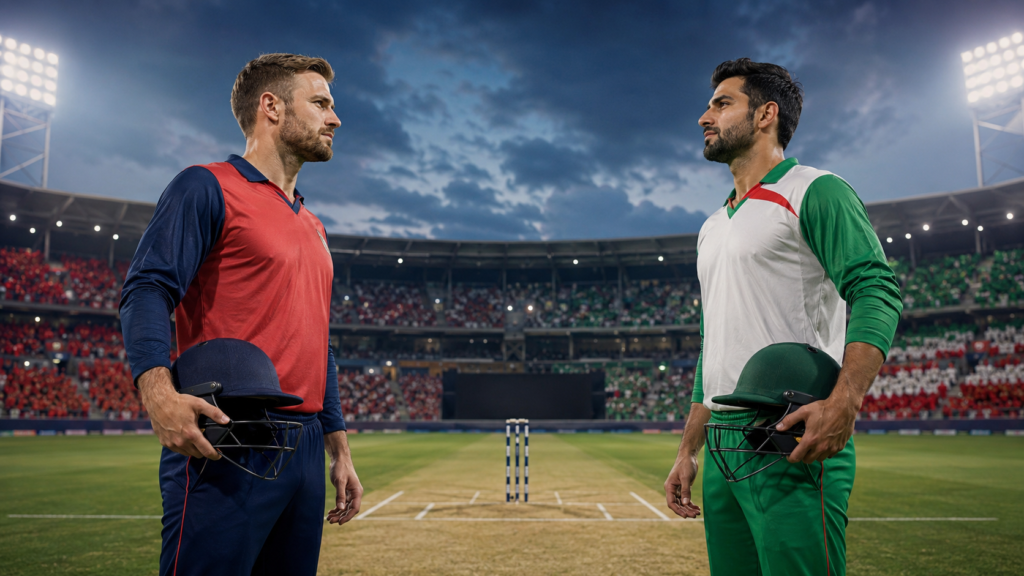
The Norway vs Iran 4th Match of the Norway T20I Tri-Series 2026 will be played on Saturday, August 15, 2026. This game gives both teams another important chance to collect points and build confidence in a short international series. Norway will want to make good use of familiar conditions, while Iran will look to play brave and disciplined cricket away from home. With only 20 overs available to each side, a strong powerplay, controlled bowling, and calm decision-making could decide the result.
Norway vs Iran 4th Match Details
Norway will face Iran in the fourth match of the Norway T20I Tri-Series 2026 on Saturday, August 15. The venue is still listed as TBC, which means it has not yet been officially confirmed in the available schedule. The match details provided for this preview list a start time of 5:15 PM UAE time, 1:15 PM GMT, and 6:45 PM as the listed local time. However, cricket schedule platforms currently show different start times. Supporters should check the official match page shortly before play for the final venue and correct start time.
Why This Match Matters?
The fourth match arrives during a busy part of the competition. Iran are also scheduled to play Uzbekistan earlier on August 15, so workload and recovery may become important if that schedule remains unchanged. Norway, meanwhile, should have more time to prepare after facing Uzbekistan on August 14. The final impact will depend on confirmed timings, playing conditions, and team selection, but energy management could influence the contest.
For Norway, a home tri-series is an opportunity to show progress in front of local supporters. A good performance can improve the team’s confidence and help players become more comfortable in pressure situations. Norway will likely aim to start strongly with the bat, avoid losing several wickets together, and use the middle overs to prepare for a powerful finish. With the ball, early wickets will be valuable because they can force Iran to rebuild instead of attacking freely.
Norway Team Preview
Norway’s biggest advantage may be their greater familiarity with local weather, grounds, and playing conditions. If the surface offers early movement, their top order will need to respect the new ball before increasing the scoring rate. A sensible opening partnership can create a strong base, but the batters must still stay positive because slow starts are difficult to repair in a 20 over game.
The middle order will have an important role. Batters in this phase must read the situation quickly. If Norway lose early wickets, they should focus on rebuilding through singles and twos. If the openers provide a fast beginning, the middle order can attack from the moment it arrives.
Norway’s bowlers should follow a simple plan. They must bowl at the stumps, use changes of pace carefully, and avoid giving away easy extras. Accurate bowling can force Iran’s batters to take greater risks. Good fielding could also provide the small advantage needed in a close match.
Iran Team Preview
Iran’s approach should be based on patience, clear communication, and smart risk-taking. The batters do not need to attack every delivery. They can create pressure by keeping the scoreboard moving and choosing the right bowlers to target. A stable partnership in the top three would help Iran enter the final overs with wickets in hand. That would allow their stronger hitters to play more freely near the end of the innings.
With the ball, Iran should focus on lengths that make boundary-hitting difficult. Full tosses and short deliveries can be punished quickly in T20 cricket, so consistent execution will be essential. The captain may also use spin or slower balls to break Norway’s rhythm in the middle overs.
Iran’s fielders must stay alert throughout the match. One saved boundary, direct hit, or difficult catch could change the direction of a short contest. Remaining positive after a mistake will also be important because T20 matches move very quickly.
Key Battle to Watch
The most important battle could be between Norway’s top-order batters and Iran’s new-ball bowlers. If Norway score quickly without losing wickets during the powerplay, the hosts may control the match. If Iran take two or three early wickets, they can slow the scoring rate and put pressure on Norway’s middle order. The first six overs should therefore give a strong sign of how the contest may develop.
Another key phase will be the final five overs of each innings. Batters will try to find boundaries, while bowlers will look for yorkers, wide lines, and well-disguised slower balls. Teams at this level sometimes lose control through extras or rushed decisions. The side that stays calmer and executes its basic skills more consistently is likely to finish stronger.
Strike rotation will be another important factor. Boundaries may not always be easy to find, particularly if the surface is slow. Batters who can collect singles and turn them into twos will help their teams maintain a healthy scoring rate without taking unnecessary risks.
Pitch, Weather, and Toss
A detailed pitch report cannot be given until the venue is officially confirmed. Conditions in Norway can also change quickly, and cloud cover may help seam bowlers if there is moisture in the air or on the surface. If the pitch is fresh, batting may be harder during the opening overs. Once players adjust to the pace and bounce, stroke-making could become easier.
The boundary size will also affect the plans of both teams. On a smaller ground, bowlers will need to use accurate yorkers and slower deliveries. On a larger ground, batters may have to run hard between the wickets instead of depending only on boundaries.
The toss may influence the captains’ plans, but the decision should depend on the final conditions. A captain may choose to bowl first if there is early movement or uncertainty about the pitch. Chasing can also make the required target clear.
On the other hand, batting first may be useful if the surface is expected to slow down later. The captains and coaches should inspect the pitch and outfield carefully instead of following a fixed rule.
Players and Playing XI Update
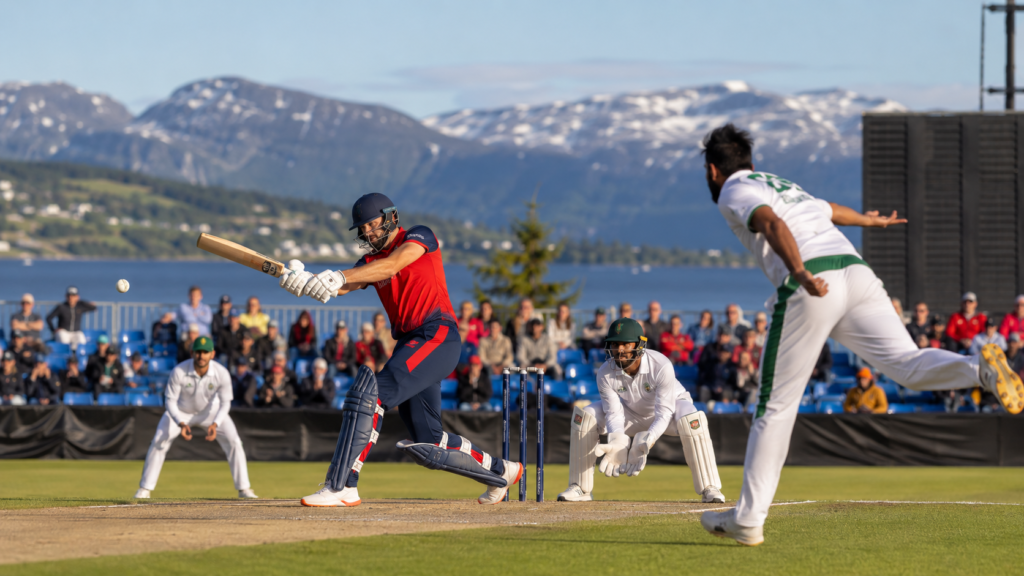
Confirmed squads and playing XIs were not available when this preview was prepared. For accuracy, player names should not be guessed before an official announcement. The final eleven for each team is normally confirmed at the toss.
Fans should check the official scorecard or a trusted live cricket platform close to the start for team news, captain details, replacements, and late changes. This approach keeps the information accurate and prevents readers from receiving outdated or incorrect player details.
The previous matches in the series may also affect team selection. A player who performs well could keep his place, while teams may make changes to manage workload or test different combinations. Any final selection analysis should therefore be completed only after the official announcement.
What Norway Need to Do?
Norway should try to win the powerplay without taking unnecessary risks. A score of around seven or eight runs per over, with wickets in hand, would give the middle order a strong platform. The batters should communicate clearly and avoid preventable run-outs.
Their bowlers must attack the stumps and force Iran to play difficult shots. Early wickets could place Iran under immediate pressure. Norway should also remain disciplined at the end of the innings, when one expensive over could change the entire match.
What Iran Need to Do?
Iran must avoid allowing Norway to control the opening overs. Their new-ball bowlers should use any available movement and keep the batters under pressure. Even if wickets do not come immediately, dot balls can increase the required scoring rate.
While batting, Iran should aim to build at least one meaningful partnership. Losing wickets in groups would make their task much harder. If they preserve wickets until the final five overs, they could put Norway’s bowlers under serious pressure.
Norway vs Iran Match Prediction
Norway may begin with a slight advantage because they are the host team and should understand the conditions better. However, that does not guarantee victory. Iran can make the match competitive by taking early wickets, limiting extras, and building at least one strong batting partnership. T20 cricket can change within a few deliveries, which means both teams will have genuine opportunities.
The safer expectation is a competitive game in which powerplay performance and death-over execution decide the winner. Norway may be better placed if they use local knowledge well, but Iran can cause an upset through disciplined bowling and calm batting. Rather than depending on reputation, the result is likely to come down to which team handles pressure better on the day.
Final Thoughts
The Norway vs Iran 4th Match is an encouraging fixture for international cricket outside the traditional major nations. It offers both sides a useful chance to gain experience, improve their T20 plans, and move forward in the Norway T20I Tri-Series 2026. Fans can expect energy, ambition, and several important tactical battles.
The fixture is scheduled for Saturday, August 15, 2026, with the venue currently marked TBC. As the published start times are not consistent across live schedule providers, readers should confirm the final time before the match begins.
Once the toss takes place and the playing XIs are announced, the contest will become easier to assess. Until then, Norway’s familiarity with the conditions gives them a small edge, while Iran’s discipline could make this a close and entertaining T20I.