
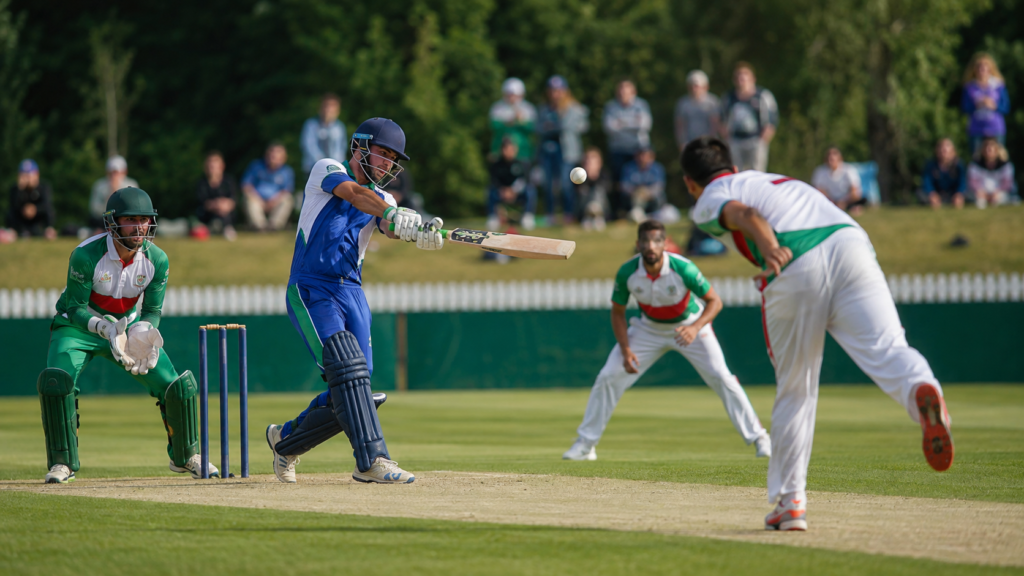
Iran vs Uzbekistan 3rd Match Preview
Iran and Uzbekistan will face each other in the third match of the Norway T20I Tri-Series 2026 on Saturday, August 15. The match is expected to offer an interesting contest between two developing international cricket teams that are looking for more experience, better results and greater recognition in the T20I format.
The schedule supplied for the fixture lists the match at 11:15 AM, with 7:15 AM GMT and 12:45 PM local also shown. However, the exact venue remains marked as “To Be Confirmed.” Some public match centres are currently displaying different start times. Fans should therefore check the official match page before the game begins.
The Norway T20I Tri-Series features Norway, Iran and Uzbekistan. According to the published series schedule, six T20 matches are planned between August 13 and August 16. Each team will receive more than one opportunity to test its players and improve its position during the short tournament.
Match Details
The Iran vs Uzbekistan match will be the third fixture of the Norway T20I Tri-Series 2026. It is scheduled for Saturday, August 15, while the ground and city have not yet been officially confirmed. Both teams are also expected to meet again in the sixth match on August 16.
Because the venue is still unconfirmed, a reliable pitch report cannot be provided at this stage. The weather, boundary size and nature of the playing surface can all affect the final team selection. Readers should check the latest updates closer to the toss for the confirmed ground, start time and playing elevens.
Why This Match Is Important?
This match is important for both teams because Iran and Uzbekistan have limited experience at the highest level of international T20 cricket. Every official match gives their players a chance to understand the pressure, speed and tactical demands of the format.
T20 cricket can change very quickly. One good over with the bat or two early wickets can decide the direction of a match. Teams with less international experience sometimes struggle after losing quick wickets, so calm decision-making will be important.
The third match can also influence the series table. A win would give the successful team confidence before the remaining fixtures. Since the tournament is being played over only a few days, there is not much time to recover from a poor performance. Both sides must learn quickly from their earlier matches against Norway.
Iran Team Preview
Iran will enter the contest hoping to build a disciplined and competitive performance. The country has been an ICC member for several years, but its men’s team has played only a limited number of T20 Internationals. This series gives Iran a valuable opportunity to return to regular international action.
Iran’s main challenge may be building partnerships. In T20 cricket, attacking shots are important, but a team also needs batters who can stay at the crease and control the innings. Losing three or four wickets during the powerplay can make it difficult to reach a competitive total.
If Iran bats first, a steady opening partnership should be the first target. The middle order can then increase the scoring rate after the tenth over. A total that looks average may still be defendable if the pitch offers help to the bowlers.
With the ball, Iran should focus on accuracy. Bowling too many wides or no-balls can release pressure and give Uzbekistan easy runs. Early wickets would allow Iran to attack an Uzbekistan batting line-up that has shown signs of weakness under pressure in recent matches.
Iran’s official squad and playing eleven were not fully confirmed at the time of writing. It would therefore be inaccurate to publish a predicted lineup without reliable information.
Uzbekistan Team Preview
Uzbekistan comes into the series with more recent T20I match experience. The team played in the Asia Pacific Cricket Champions Trophy in Singapore during June 2026. Although the results were challenging, the competition gave the players useful experience against teams such as Singapore and Indonesia.
In the third-place playoff against Indonesia, Uzbekistan was asked to chase a very large target of 228 runs. The team finished on 130 for six and lost by 97 runs. However, Syed Ahzamul Haq played an unbeaten innings of 55 from 49 balls, while Nikhil scored an unbeaten 35 from 33 deliveries. Their partnership showed that Uzbekistan can recover after losing early wickets.
Syed Ahzamul Haq could be one of the important players for Uzbekistan in this match. He has shown the ability to stay at the crease and build an innings. The team will hope that he can score at a faster rate if the opening batters provide a strong start.
Oybek Qudratov is another name to watch. Available recent records identify him as one of Uzbekistan’s leading wicket-takers. His role could become especially important during the powerplay or middle overs.
Uzbekistan must improve its bowling control. In recent matches, opposition teams have scored quickly against its attack. The bowlers need to use changes of pace, straight lines and field protection more effectively. Giving away easy boundaries could allow Iran to gain confidence.
Pitch and Playing Conditions

It is not possible to offer a confirmed pitch report because the venue is still listed as TBC. In Norway, the playing conditions may be different from the warmer surfaces that Iran and Uzbekistan are more familiar with.
If the match is played on a cool morning with some moisture in the pitch, fast bowlers may receive early movement. Batters may need a few overs to understand the pace and bounce before playing aggressive shots. The new ball could be difficult to face if it moves through the air.
If the surface is dry or artificial, the ball could come onto the bat more evenly. In that situation, batters may find it easier to hit through the line. Spinners and slower-ball bowlers would then need to change their pace and avoid predictable deliveries.
The captain winning the toss may prefer to bowl first if there is moisture or uncertainty about the pitch. However, batting first can also be useful in a pressure match because chasing teams may struggle when the required run rate begins to rise.
Key Contest to Watch
The biggest contest could be between Iran’s new-ball bowlers and Uzbekistan’s top order. Uzbekistan has previously lost early wickets, so Iran will try to attack the stumps during the opening six overs. Swing, disciplined length and sharp fielding could help Iran create pressure.
Uzbekistan’s middle-order batters will need to avoid becoming too defensive after an early collapse. Rotating the strike is as important as hitting boundaries. Even five or six singles in an over can keep the scoreboard moving and prevent the bowlers from settling into a comfortable rhythm.
When Iran bats, Uzbekistan should try to take wickets rather than simply protect the boundary. Dot balls followed by attacking field positions could force inexperienced batters into risky shots.
Fielding may also decide the result. Both teams must take their catches and stop simple singles. In a close T20 match, one dropped catch or an unnecessary overthrow can become the difference between winning and losing.
What Iran Must Do to Win?
Iran should begin with a clear and simple plan. Its batters must respect good deliveries while taking advantage of loose balls. The team should avoid trying to hit every delivery for a boundary, especially during the first few overs.
A score between 130 and 150 could be competitive if the pitch is slow or offers movement. Iran’s bowlers should attack the stumps and force Uzbekistan to play straight. The fielders must support the bowlers by showing energy inside the circle.
Iran also needs one experienced player to guide the innings. Even if the scoring rate is not very high at the start, keeping wickets in hand will create more attacking opportunities at the end.
What Uzbekistan Must Do to Win?
Uzbekistan must make better use of the powerplay. Its top order should look for boundaries without taking unnecessary risks. A solid opening partnership would reduce pressure on Syed Ahzamul Haq and the middle order.
The bowlers should avoid offering width outside the off stump. Iran’s batters may grow in confidence if they receive easy scoring opportunities. Slower deliveries and straight yorkers can be effective during the final overs.
Uzbekistan’s recent international experience may give the team a small advantage. However, that experience will only matter if the players remain calm and execute their plans.
Iran vs Uzbekistan Match Prediction
Uzbekistan may enter the match as a slight favourite because it has played more recent T20I cricket and has a few players with recorded performances in 2026. Syed Ahzamul Haq’s ability to build an innings could be valuable if the team loses early wickets.
Iran, however, should not be underestimated. The team could put Uzbekistan under pressure by taking early wickets and keeping the scoring rate low. With limited information available about Iran’s current squad, the true strength of the team may only become clear after the tournament starts.
The toss and final playing conditions will have a major influence on the result. Uzbekistan has a narrow advantage on recent experience, but this match could remain close if Iran bowls with discipline.
Prediction: Uzbekistan to start as the slight favourite, subject to the confirmed squads, venue and playing conditions.
Final Thoughts
The Iran vs Uzbekistan 3rd Match could be one of the most interesting fixtures of the Norway T20I Tri-Series 2026. It gives two developing cricket nations an opportunity to compete, gain international experience and introduce more supporters to their players.
Uzbekistan will try to use its recent experience, while Iran will aim to make a strong return to T20I competition. Good powerplay batting, controlled bowling and clean fielding are likely to decide the winner.
The fixture is scheduled for Saturday, August 15. As the venue and exact start time have not been consistently displayed across match platforms, fans should confirm the latest information through the ICC Match Centre before the first ball.
Editorial Note: Match information was checked on August 12, 2026, using the ICC Match Centre, published series listings and recent scorecards. The article should be updated after the venue, squads, toss and playing elevens are officially confirmed.